Make room for
what you are making.
A moodboard, a research question, a story or a place you want to visit. Start with the material you already have, and give it a shape that makes sense to you.
Add me to the waitlist
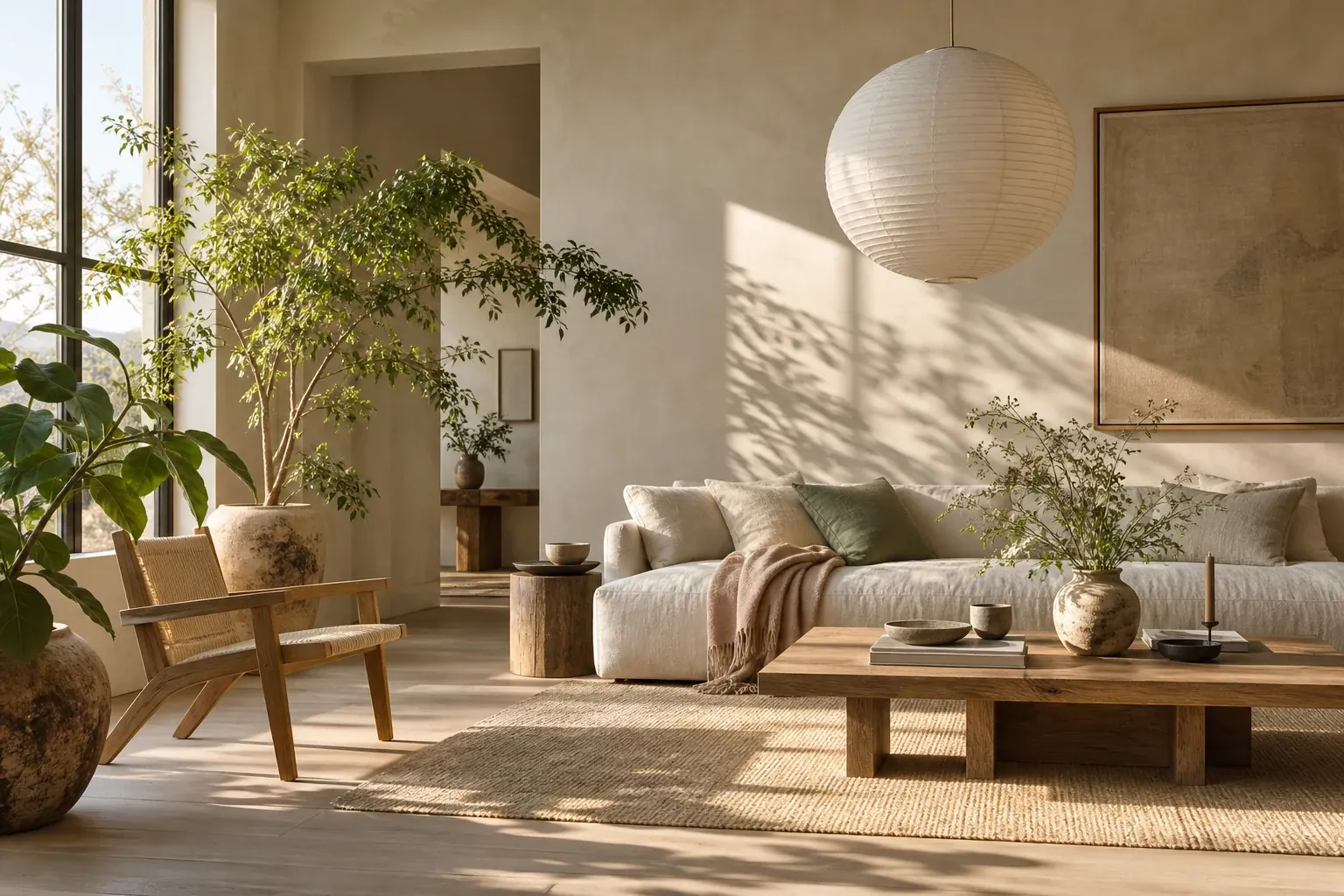
Warm materials.
Room to breathe.
Find the feeling before you choose the details.
A room, a visual identity or a personal project often starts with a feeling you cannot quite name. Gather images, textures, colors and a few words. Arrange them together to see what repeats, what clashes and what you want to keep.
- Keep a note about why each image belongs.
- Bring a few contrasting directions into view.
Keep the question beside the evidence.
Research becomes easier to revisit when the source stays close to your own thinking. Keep documents, excerpts, observations and open questions together. A spatial layout lets you compare material without losing the reason you saved it. Return to a source, add a note and let the next question take shape.
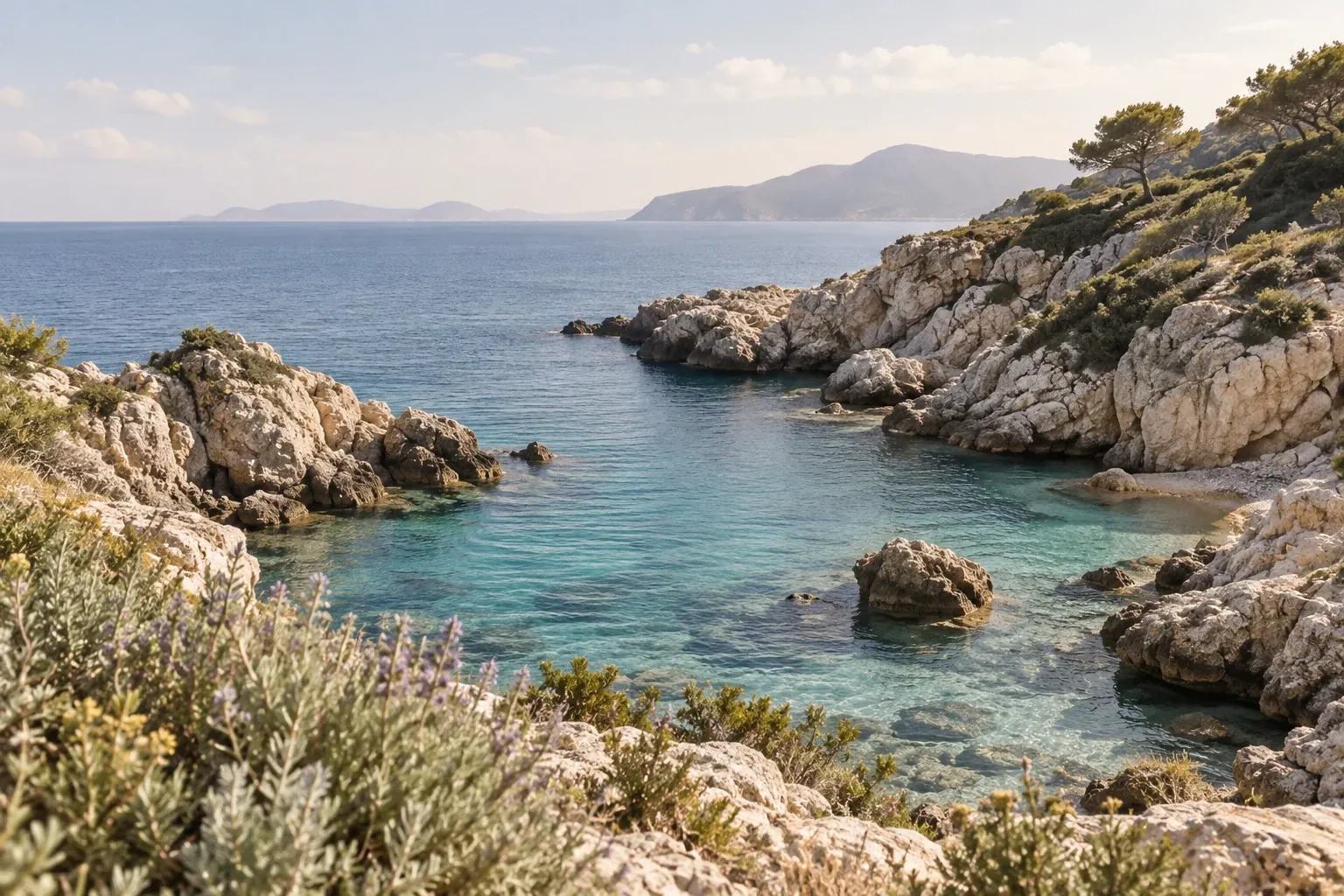
Notes on coastal landscapes and changing shorelines. A personal field notebook.
Let a place become a plan.
Keep the places that catch your attention with links, photos and personal notes. Group the ideas you want to revisit, and leave room for discoveries along the way. A travel canvas is a place to gather possibilities before you decide what belongs in the trip.
Explore travel inspiration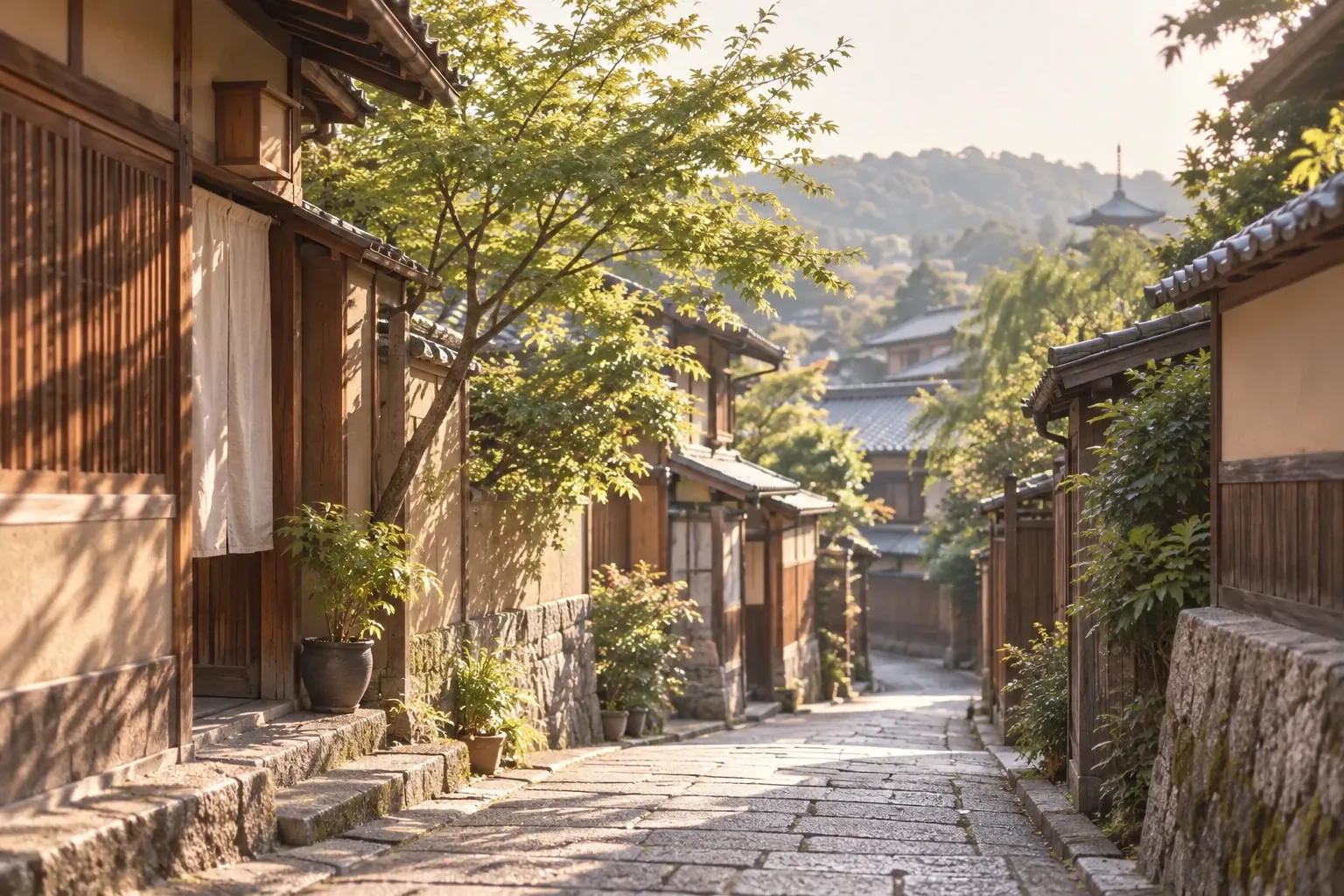
- Walk slowly
- Notice the gardens
- Save a quiet morning
Give a story room to grow.
Collect character notes, setting references and fragments of dialogue before arranging the relationships between them. A canvas helps you see what you have, notice what is missing and explore new directions. Keep a scene beside the image or idea that inspired it, then return when the next part becomes clearer.
Explore creative writing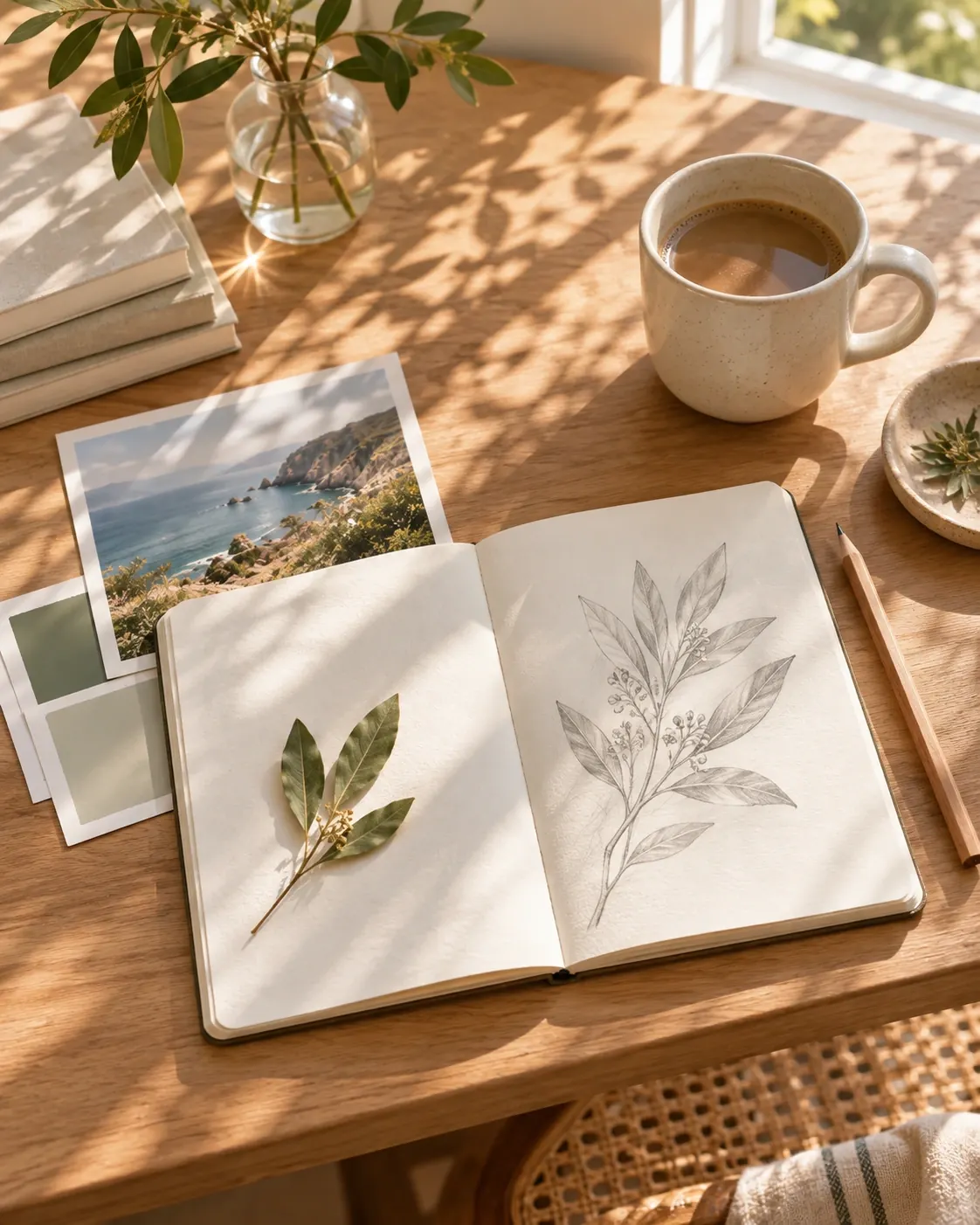
Make what you learn easier to revisit.
Save sources beside your notes, and build collections for material you want to use again. Follow connections over time and return to your thinking with context, not just a list of bookmarks. A small explanation in your own words can make an article, image or excerpt much easier to find later.
Explore personal knowledgeStart with three things that belong together.
Choose a photo, a note and a source. Give the group a name. You do not need a finished system before you begin.